
Welcome to
Vistasite Eye Care!


%201.svg)


.svg)

Location & Hours

Our Services



Our Doctors

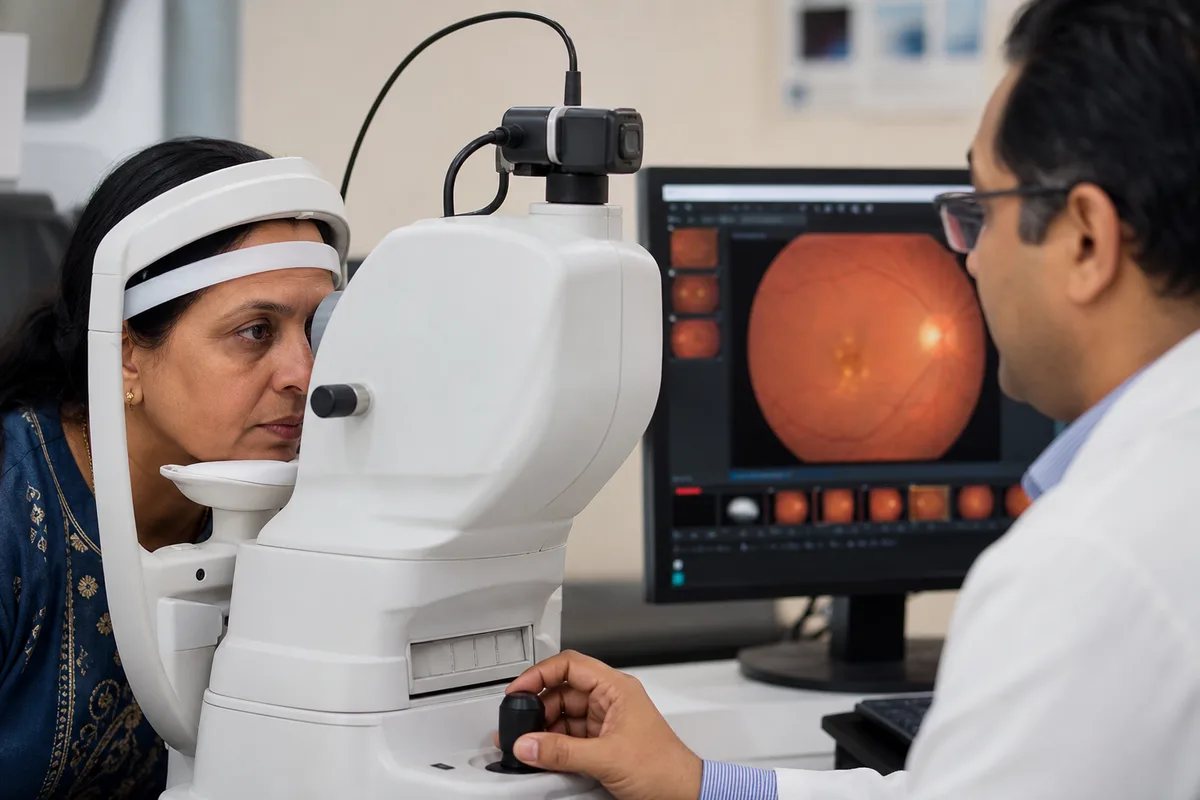
Together, they provide thorough, unhurried exams for patients of every age — from a child's first vision screening to ongoing management of glaucoma, diabetic eye disease, macular degeneration, and dry eye. Dr. Dvoretsky and Dr. Oboukova believe that clear vision starts with a doctor who takes the time to listen, explain, and treat every patient like family. They are proud to serve the diverse Washington Heights community and welcome new patients of all backgrounds.
Insurance & CareCredit↗
We accept most PPO insurance plans and can submit out-of-network reimbursement on your behalf.











Testimonials
FAQs

Most adults should have a comprehensive eye exam once a year, even without noticeable vision problems. Children, contact lens wearers, and patients with diabetes, glaucoma, or a family history of eye disease may need more frequent visits — your doctor will recommend a schedule based on your individual eye health needs.
Mild redness or irritation can often be soothed with a clean, cool compress and artificial tears. If you have pain, vision changes, discharge, sensitivity to light, or the redness doesn't improve within a day, contact our office promptly — we reserve time for urgent visits and can advise you on next steps.
Both are safe, effective ways to correct vision, and many patients use a combination of the two. During your exam, we'll talk through your lifestyle, prescription, and eye health to help you decide what fits best — and fit you properly for contacts if you'd like to wear them.
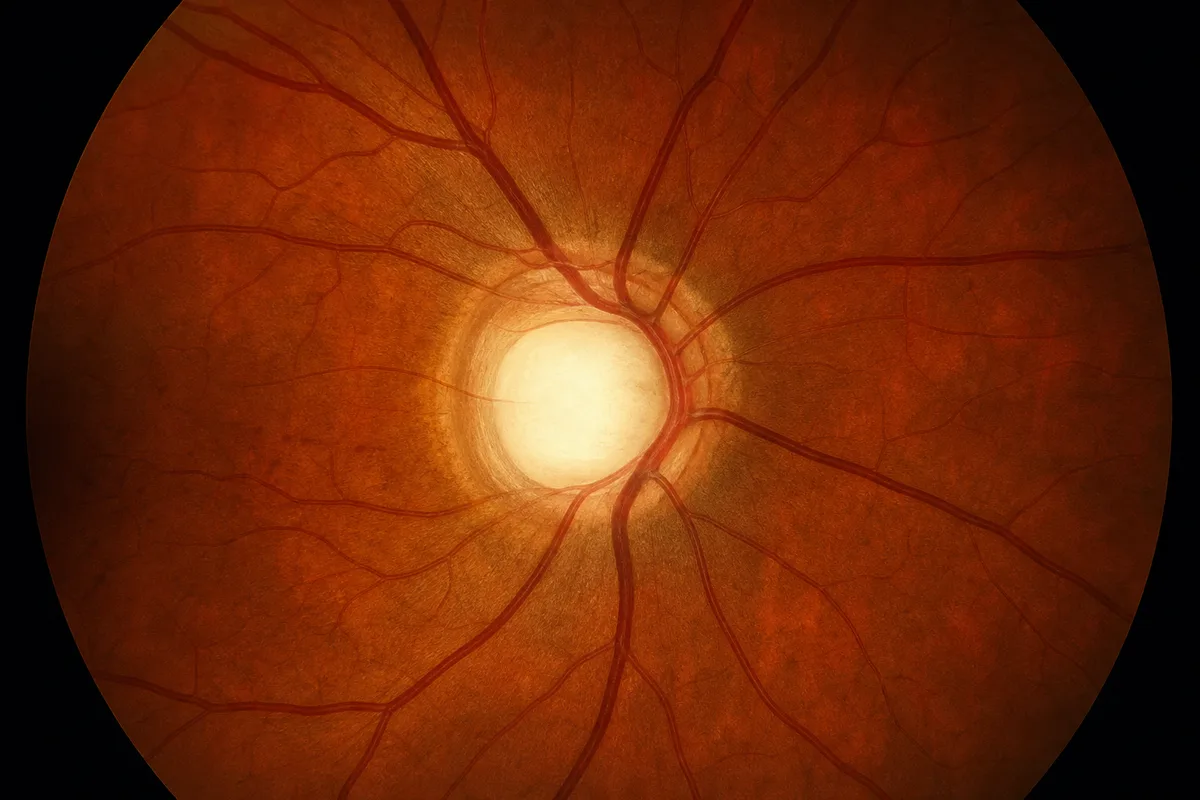
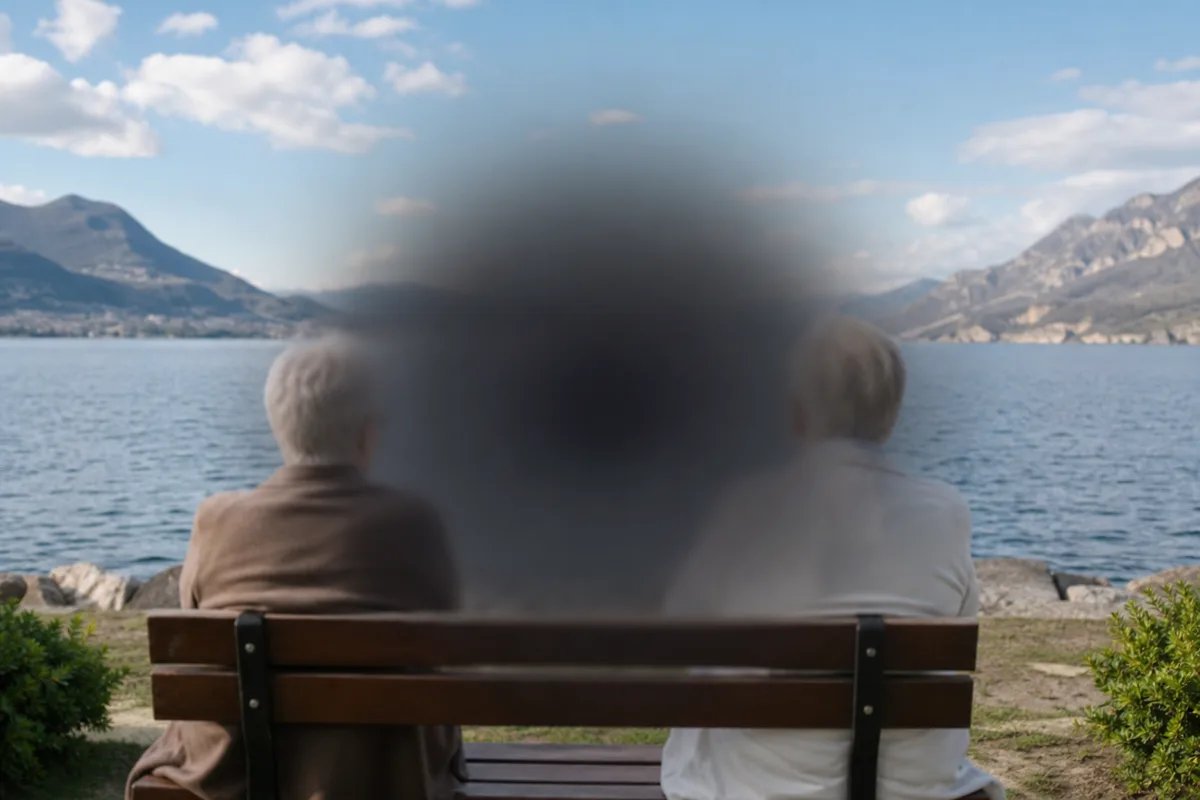
Glaucoma often has no symptoms until vision loss has already begun, which is why routine eye pressure and optic nerve checks matter even if your vision feels normal. Some patients notice gradual loss of peripheral vision or eye pain and halos around lights. If you have a family history of glaucoma, schedule regular exams so we can monitor you closely.
We accept most major vision and medical insurance plans, as well as cash, credit cards, and financing options through third-party providers. Please contact our office for more information on specific payment options and to verify your insurance coverage.
For a chemical splash, foreign object, sudden vision loss, or eye injury, contact our office immediately. We reserve time in our daily schedule for urgent appointments and will walk you through what to do until you can be seen — for a true emergency (chemical burn, penetrating injury), go to the nearest emergency room first.
Dilation gives your doctor a clear view of the retina and optic nerve to check for glaucoma, macular degeneration, diabetic eye disease, and other conditions that aren't visible otherwise. We may not dilate at every visit, but it's recommended at least annually or whenever a change in your eye health needs a closer look. Your vision may be blurry and light-sensitive for a few hours afterward, so plan accordingly.
