
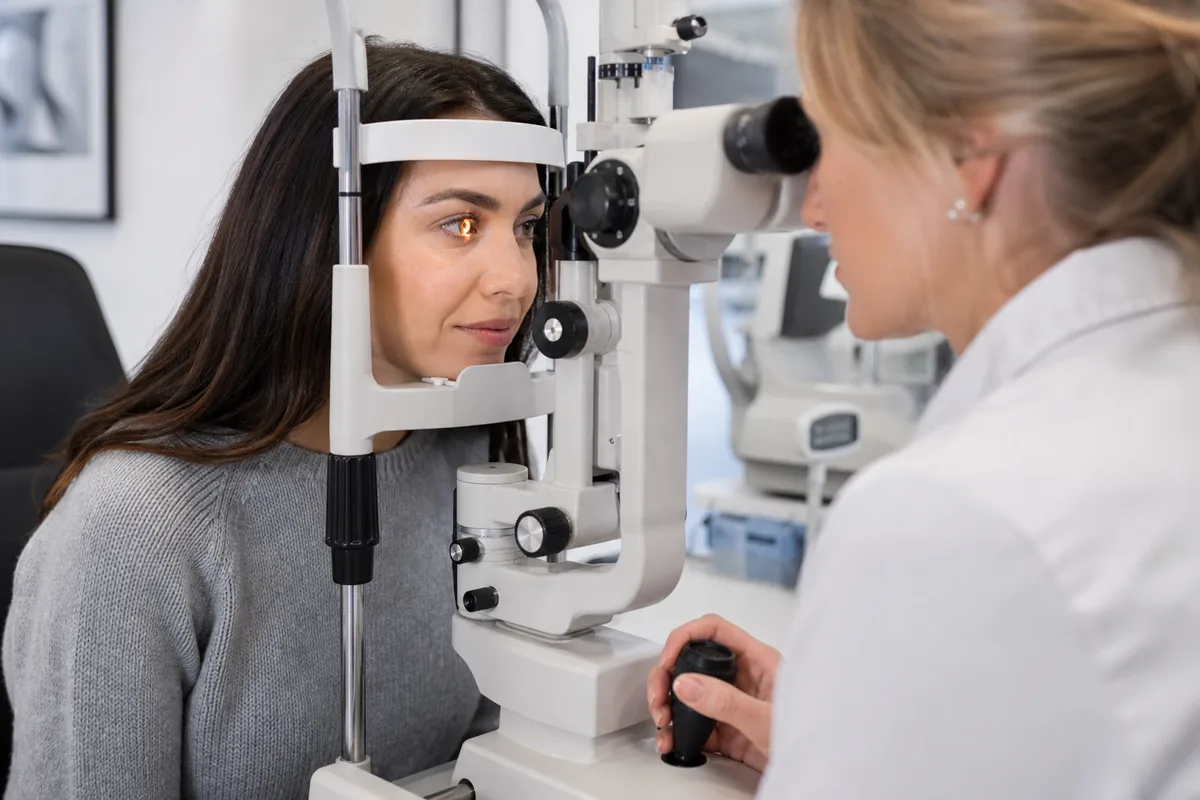
Introduction: The Cornerstone of Healthy Vision
When was the last time you had a comprehensive eye exam? If you're like many people, the answer might not be recent—or perhaps it's been longer than recommended. Regular eye exams are fundamental to protecting not just your eyesight, but your overall health. Many serious eye conditions develop with no early symptoms, which is exactly why a comprehensive exam matters so much. Let's walk through why these visits are essential and what you can expect when you come in.
What Is a Comprehensive Eye Exam?
A comprehensive eye exam is a thorough evaluation of your vision and eye health performed by an optometrist. Unlike a quick vision screening, a comprehensive exam looks well beyond whether you can read the letters on a chart—it evaluates how your eyes focus, how they work together, the pressure inside your eyes, and the health of the internal structures at the back of the eye.
Components of a Comprehensive Eye Exam
- Patient & Medical History Review: Discussing your vision concerns, general health, family history, and any medications you're taking.
- Visual Acuity Testing: Measuring how clearly you see at various distances.
- Refraction Assessment: Determining your exact eyeglass or contact lens prescription, if one is needed.
- Eye Pressure & Glaucoma Screening: Checking the pressure inside your eyes, an important indicator for glaucoma risk.
- Retinal & Dilated Eye Exam: Examining the retina, optic nerve, and blood vessels at the back of the eye for signs of disease.
- Discussion of Findings: Reviewing results with you and recommending any follow-up care, corrective lenses, or referrals.
Why Are Comprehensive Eye Exams So Important?
Preventive Care
Regular eye exams allow for early detection of conditions such as glaucoma, cataracts, and macular degeneration—many of which have no noticeable symptoms in their earliest, most treatable stages. Catching changes early often means simpler, more effective care down the road.
A Window Into Overall Health
Your eyes can reveal a great deal about your general health. A dilated eye exam can help identify signs of diabetic eye disease and other chronic conditions that affect the small blood vessels in the retina, sometimes before you notice any change in your vision. That's one of the reasons routine eye exams are such an important part of managing chronic conditions like diabetes.
Vision and Learning in Children
For kids, clear vision is closely tied to how well they learn, read, and engage in the classroom. Undiagnosed vision problems are sometimes mistaken for attention or learning difficulties. A comprehensive pediatric eye exam helps make sure vision isn't holding a child back.
Breaking Down the Eye Exam: What to Expect Step by Step
Understanding what happens during a comprehensive eye exam can help you feel more comfortable and prepared for your visit.
1. Patient History Review
Your optometrist will ask about things like:
- Any current vision concerns, such as blurriness, headaches, or eye strain
- Your general health and any medications or supplements you take
- Family history of eye conditions like glaucoma or macular degeneration
- Your lifestyle and visual demands (screen time, reading, driving, hobbies)
This information helps your doctor understand your individual risk factors and needs.
2. Visual Acuity & Refraction
This part of the exam includes:
- Visual Acuity Testing: Reading letters on a chart to measure sharpness of vision at distance and up close.
- Refraction: Comparing lens options to fine-tune your eyeglass or contact lens prescription, if needed.
- Eye Coordination & Focusing: Checking how well your eyes work together and adjust focus.
3. Eye Pressure & Glaucoma Screening
Your optometrist measures the pressure inside your eyes, a key indicator used to screen for glaucoma—a condition that can gradually affect peripheral vision without early warning signs.
4. Dilated Retinal Exam
Eye drops may be used to widen (dilate) your pupils, giving your doctor a clearer view of the retina, optic nerve, and blood vessels at the back of your eye. This step is especially important for detecting:
- Diabetic eye disease
- Early signs of glaucoma
- Macular degeneration
- Retinal tears or other abnormalities
Your vision may be temporarily blurry and light-sensitive after dilation, so it's a good idea to bring sunglasses and arrange a ride if you're not comfortable driving right after.
5. Discussion and Next Steps
After the exam, your doctor will review the findings with you. This conversation may include:
- Your updated eyeglass or contact lens prescription
- Recommendations for follow-up testing or specialist referrals, if needed
- Guidance on managing chronic conditions that affect eye health
- Tips for reducing digital eye strain and protecting your vision day to day
How Often Should You Get a Comprehensive Eye Exam?
How frequently you should be seen can vary based on your age, health, and risk factors. As a general guide:
- Healthy Adults: Roughly every one to two years
- Adults with Diabetes or a Family History of Eye Disease: More frequently, as recommended by your doctor
- Children: Regular exams are especially important during school years to support learning and development
Your optometrist will help tailor a schedule that fits your individual eye health needs.
Preparing for Your Eye Exam: Tips for a Smooth Visit
Before Your Appointment
- Bring Your Current Glasses or Contacts: This helps your doctor compare your existing prescription to your current vision.
- Bring Your Eye Care Records: If you're visiting a new provider, past records or prescriptions are helpful.
- List Your Medications: Some medications can affect your eyes, so let your doctor know what you're taking.
- Plan for Dilation: Bring sunglasses in case your pupils are dilated during the visit.
During the Appointment
- Be Open: Share any concerns, symptoms, or changes in your vision, no matter how small they seem.
- Ask Questions: If you're unsure about your results or recommendations, don't hesitate to ask your doctor to explain.
Debunking Common Myths About Comprehensive Eye Exams
Myth 1: "My Vision Feels Fine, So I Don't Need an Exam"
Many eye conditions, including glaucoma and early diabetic eye disease, can progress with no noticeable symptoms. A comprehensive exam can catch changes long before you'd feel them.
Myth 2: "Only Older Adults Need Regular Eye Exams"
Eye exams matter at every age—from checking healthy visual development in young children to monitoring age-related changes later in life.
Myth 3: "An Online Vision Test Is the Same as an Eye Exam"
Online screenings can check basic visual acuity, but they can't evaluate eye pressure, the retina, or overall eye health the way an in-person comprehensive exam can.
Myth 4: "If I Don't Have Diabetes or a Family History, I'm Not at Risk"
While certain factors do raise risk, many common eye conditions can affect anyone, which is why routine exams are recommended for the general population, not just those with known risk factors.
Conclusion: Make Comprehensive Eye Exams Part of Your Routine
A comprehensive eye exam is about far more than getting a new pair of glasses—it's a key part of protecting your long-term health. At Vistasite Eye Care, Dr. Vladimir Dvoretsky and Dr. Sabina Oboukova provide compassionate, thorough eye care for patients of every age in Washington Heights and the surrounding community, with a strong focus on preventive care, children's vision, and supporting patients managing chronic conditions like diabetes and glaucoma. Don't wait for a noticeable change in your vision—schedule your comprehensive eye exam today.
Ready to Book Your Appointment?
Contact Vistasite Eye Care at (929) 250-5170 to schedule your next comprehensive eye exam.