
Introduction: Seeing Clearly as You Age
Have you noticed your vision growing cloudier, colors looking a little duller, or headlights on the highway seeming brighter than they used to? These are classic early signs of a cataract, one of the most common eye conditions affecting adults as they get older. At Vistasite Eye Care, we believe understanding what's happening in your eyes is the first step toward protecting your vision for the long run.
What Is a Cataract?
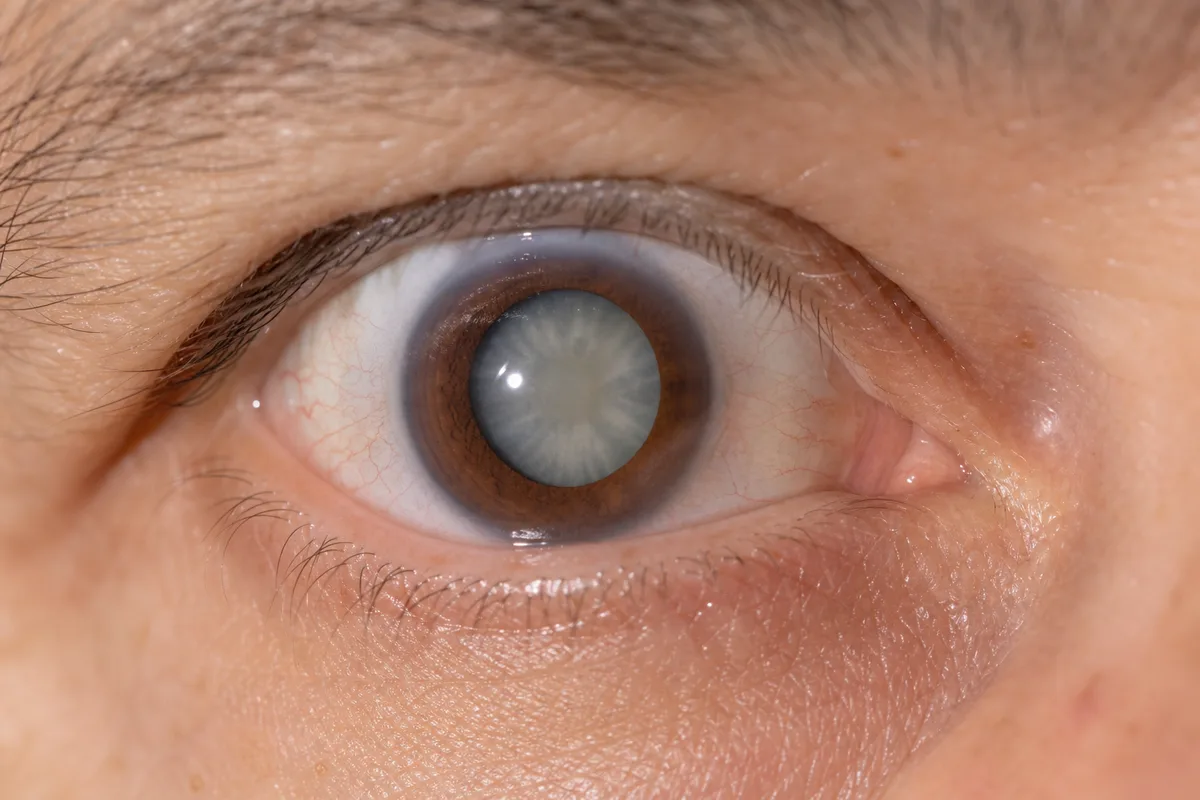
A cataract is a clouding of the eye's natural lens, the clear structure that sits behind your iris and helps focus light onto the retina. When the proteins in the lens begin to clump together, they scatter light instead of letting it pass through cleanly, which makes vision look blurry, hazy, or washed out. Cataracts typically develop slowly over years, and it's common for one eye to be affected before the other, or for one to progress faster.
Common Symptoms of Cataracts
- Cloudy or Blurry Vision: Objects may look hazy, foggy, or less sharp overall.
- Increased Glare and Halos: Bright sunlight or oncoming headlights can seem overwhelming, especially at night.
- Faded or Yellowed Colors: Colors may appear less vivid or take on a brownish tint.
- Difficulty with Night Driving: Reduced contrast and increased glare can make driving after dark more challenging.
- Frequent Prescription Changes: Needing new glasses or contact lens prescriptions more often than usual.
- Double Vision in One Eye: Occasionally noticed even with the other eye closed.
What Puts You at Risk for Cataracts?
Cataracts can develop for several reasons, and often more than one factor is at play. Common risk factors include:
- Age: The single biggest risk factor — cataracts become increasingly common after age 60.
- Diabetes: Elevated blood sugar over time can accelerate lens clouding.
- UV Light Exposure: Years of unprotected sun exposure can contribute to earlier cataract development.
- Family History: A genetic tendency toward cataracts can run in families.
- Smoking and Certain Medications: Long-term smoking and prolonged steroid use are also associated with higher risk.
- Previous Eye Injury or Surgery: Trauma to the eye can sometimes speed up cataract formation.
How Cataracts Are Diagnosed
Cataracts are detected during a comprehensive eye exam, one of the many reasons regular eye care matters even if your vision seems fine. During your visit, our optometrists will:
- Review Your Vision History: Discuss any changes you've noticed in your sight, glare sensitivity, or night driving comfort.
- Test Visual Acuity: Measure how clearly you see at various distances using a standard eye chart.
- Perform a Slit-Lamp Examination: Use a specialized microscope to closely examine the lens and look for clouding.
- Dilate Your Pupils: Get a clearer, wider view of the lens and the back of the eye to assess the extent of any cataract.
- Check Overall Eye Health: Rule out or identify other conditions, such as glaucoma or macular degeneration, that can sometimes accompany or mimic cataract symptoms.
Managing Cataracts in the Early Stages
Not every cataract needs surgery right away. In the early stages, many patients can manage their vision changes with simple, non-surgical steps, including:
- Updated Glasses or Contact Lenses: A new prescription can often sharpen vision for months or years.
- Anti-Glare Coatings: Special lens coatings can reduce discomfort from bright light and headlights.
- Better Lighting at Home: Brighter, well-placed lighting can make reading and close work easier.
- UV-Protective Sunglasses: Protecting your eyes from further UV exposure may help slow progression.
- Routine Monitoring: Regular follow-up exams let us track how quickly a cataract is changing over time.
When Surgical Referral Becomes Appropriate
Eventually, as a cataract progresses, glasses and other adjustments may no longer be enough to restore comfortable, functional vision. When cataracts begin to interfere with daily activities such as driving, reading, or recognizing faces, it's time to talk about the next step.
As optometrists, Dr. Vladimir Dvoretsky and Dr. Sabina Oboukova diagnose and monitor cataracts closely, and when the time is right, they coordinate a referral to a trusted, experienced eye surgeon for cataract removal. We stay involved throughout the process, helping you understand what to expect and supporting your care before and after surgery, so you're never navigating the decision alone.
Frequently Asked Questions
Can Cataracts Be Prevented?
There's no guaranteed way to prevent cataracts, but wearing UV-protective sunglasses, not smoking, managing conditions like diabetes, and keeping up with regular eye exams can all help support long-term lens health.
Do Cataracts Cause Pain?
Cataracts are typically painless. The changes are gradual, which is exactly why routine comprehensive eye exams are so important for catching them early, before they significantly affect your day-to-day life.
Will I Definitely Need Surgery?
Not necessarily, and not right away. Many patients manage early cataracts for years with updated eyewear and monitoring. Surgery becomes a conversation only once vision changes start to meaningfully affect the things you want and need to do.
Conclusion: Protect Your Vision With Regular Eye Care
Cataracts are a normal part of aging for many people, but that doesn't mean you have to simply live with declining vision. At Vistasite Eye Care, our team is committed to catching changes early, guiding you through non-surgical options when appropriate, and connecting you with a trusted surgeon if and when the time comes. Serving the Washington Heights community with compassionate, preventive-focused care, we're here to help you see clearly at every stage of life.
Ready to Have Your Eyes Checked?
Call Vistasite Eye Care at (929) 250-5170 to schedule your comprehensive eye exam today.