
Introduction: A Common but Often Overlooked Condition
Do your eyes often feel scratchy, tired, or irritated by the end of the day? Dry eye is one of the most common reasons patients visit an eye doctor, yet many people live with the discomfort for years before seeking help. Understanding what causes dry eye and how it's treated can make a real difference in your day-to-day comfort and long-term eye health.
What Is Dry Eye?
Dry eye happens when your eyes don't produce enough quality tears to keep the surface of the eye properly lubricated, or when your tears evaporate too quickly. Tears aren't just water — they're a complex mix of water, oils, and mucus that work together to nourish the eye and wash away debris. When that balance is disrupted, the eye's surface becomes dry, irritated, and more vulnerable to discomfort and inflammation.
Common Symptoms of Dry Eye
- Burning or Stinging: A gritty or sandy feeling, as if something is in the eye.
- Redness: Irritated, bloodshot eyes, especially after screen use or being outdoors.
- Fluctuating Vision: Blurriness that comes and goes, often improving with blinking.
- Watery Eyes: Excess tearing can seem counterintuitive, but it's often the eye's response to irritation from dryness.
- Light Sensitivity: Discomfort in bright light or sunlight.
- Contact Lens Discomfort: Lenses that used to feel fine may suddenly feel dry or hard to tolerate.
What Causes Dry Eye?
Dry eye can develop for many reasons, and it's often the result of more than one factor working together.
Lifestyle and Environmental Factors
- Extended Screen Time: We blink less frequently when focused on a computer, phone, or tablet, which allows tears to evaporate more quickly.
- Environmental Conditions: Dry, windy, or smoky air, as well as heating and air conditioning, can accelerate tear evaporation.
- Contact Lens Wear: Long-term or improper contact lens use can disrupt the tear film and contribute to dryness.
Age and Health Factors
- Aging: Tear production naturally tends to decrease with age, and dry eye becomes more common after age 50.
- Hormonal Changes: Many people notice dry eye symptoms during pregnancy, menopause, or while taking hormonal medications.
- Medications: Antihistamines, decongestants, some blood pressure medications, and antidepressants can all reduce tear production as a side effect.
- Autoimmune and Systemic Conditions: Conditions such as Sjögren's syndrome, rheumatoid arthritis, and thyroid disorders are commonly associated with chronic dry eye.
How Is Dry Eye Diagnosed?
During a comprehensive eye exam, your optometrist will ask about your symptoms, habits, and medical history, then evaluate the health of your tear film and the surface of your eyes. This may involve:
- Symptom Review: Discussing when your discomfort occurs and any patterns you've noticed.
- Slit-Lamp Examination: A close look at the eyelids, tear film, and eye surface using magnification.
- Tear Evaluation: Assessing tear quantity and quality to understand whether the issue is production, evaporation, or both.
Because dry eye can share symptoms with other conditions, a proper exam helps rule out allergies, infections, or eyelid issues that may need different treatment.
Treatment Approaches for Dry Eye
The right treatment depends on the cause and severity of your dry eye. Many patients find relief with a combination of approaches.
At-Home Care
- Artificial Tears: Over-the-counter lubricating eye drops can supplement your natural tears throughout the day.
- Warm Compresses: Applying gentle warmth to the eyelids can help loosen oils and support healthier tear production.
- Eyelid Hygiene: Keeping the eyelid margins clean can reduce irritation and support the tear film.
- Take Screen Breaks: Following the 20-20-20 rule — every 20 minutes, look at something 20 feet away for 20 seconds — encourages more frequent blinking.
- Humidify Your Space: Adding moisture to dry indoor air, especially in winter, can ease symptoms.
In-Office and Prescription Options
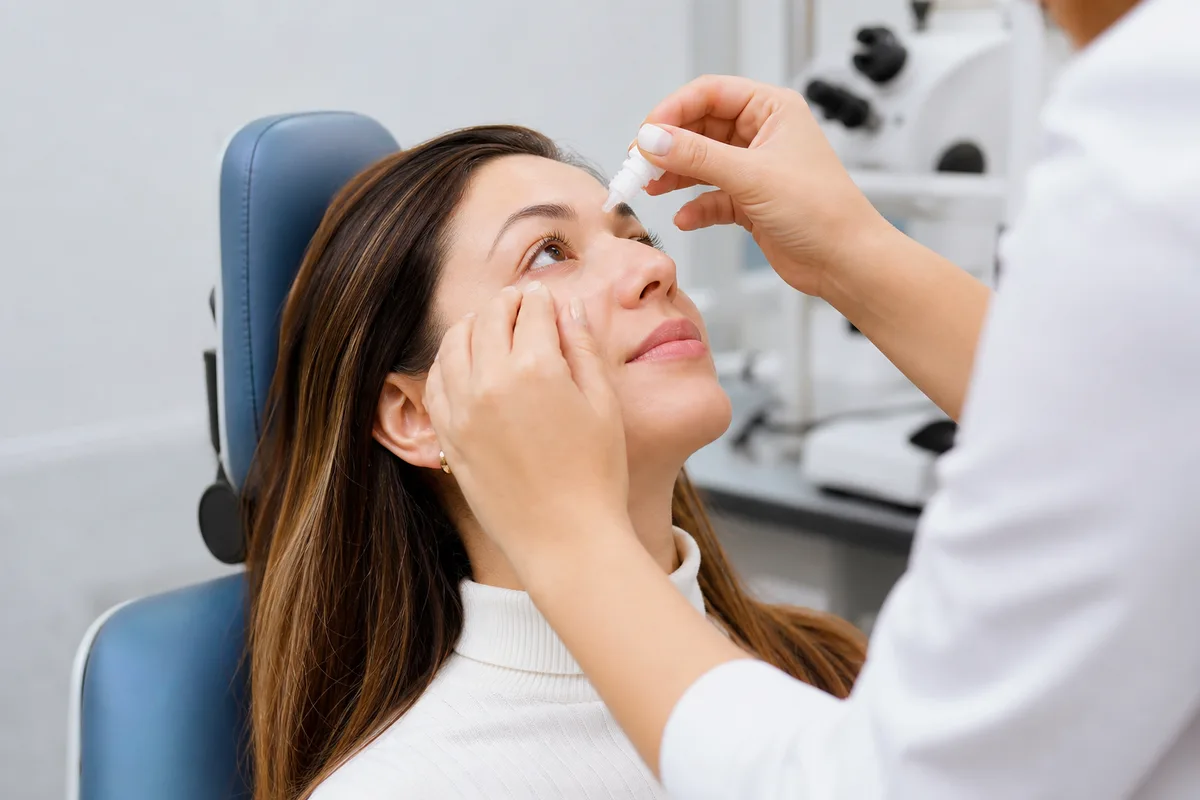
When at-home care isn't enough, your optometrist can recommend additional treatments tailored to your specific type of dry eye, which may include prescription eye drops to reduce inflammation and support natural tear production, in-office treatments for the eyelids, or punctal plugs to help retain natural tears on the eye's surface. Your optometrist will discuss which options make sense based on your exam findings.
Tips for Managing Dry Eye Day to Day
- Stay hydrated and maintain a balanced diet.
- Wear sunglasses outdoors to reduce wind and sun exposure.
- Replace contact lenses as recommended and avoid sleeping in them.
- Remove eye makeup thoroughly each night.
- Mention any new medications to your eye doctor, since some can affect tear production.
When to See an Eye Doctor
Occasional dryness is common, but persistent burning, redness, blurry vision, or discomfort that interferes with daily activities is worth having evaluated. Untreated chronic dry eye can affect comfort, vision, and overall eye health over time, so an accurate diagnosis is the best starting point for relief.
Conclusion: Comfortable, Clear Vision Starts With Healthy Tears
Dry eye is common, but you don't have to just live with the discomfort. At Vistasite Eye Care, Dr. Vladimir Dvoretsky and Dr. Sabina Oboukova take a compassionate, patient-focused approach to diagnosing and managing dry eye for our Washington Heights community. If burning, grittiness, redness, or fluctuating vision have become part of your routine, a comprehensive eye exam is the first step toward finding relief.
Ready to Book Your Appointment?
Call Vistasite Eye Care at (929) 250-5170 to schedule your dry eye evaluation today.