
Introduction: When Your Eyes Fight Back
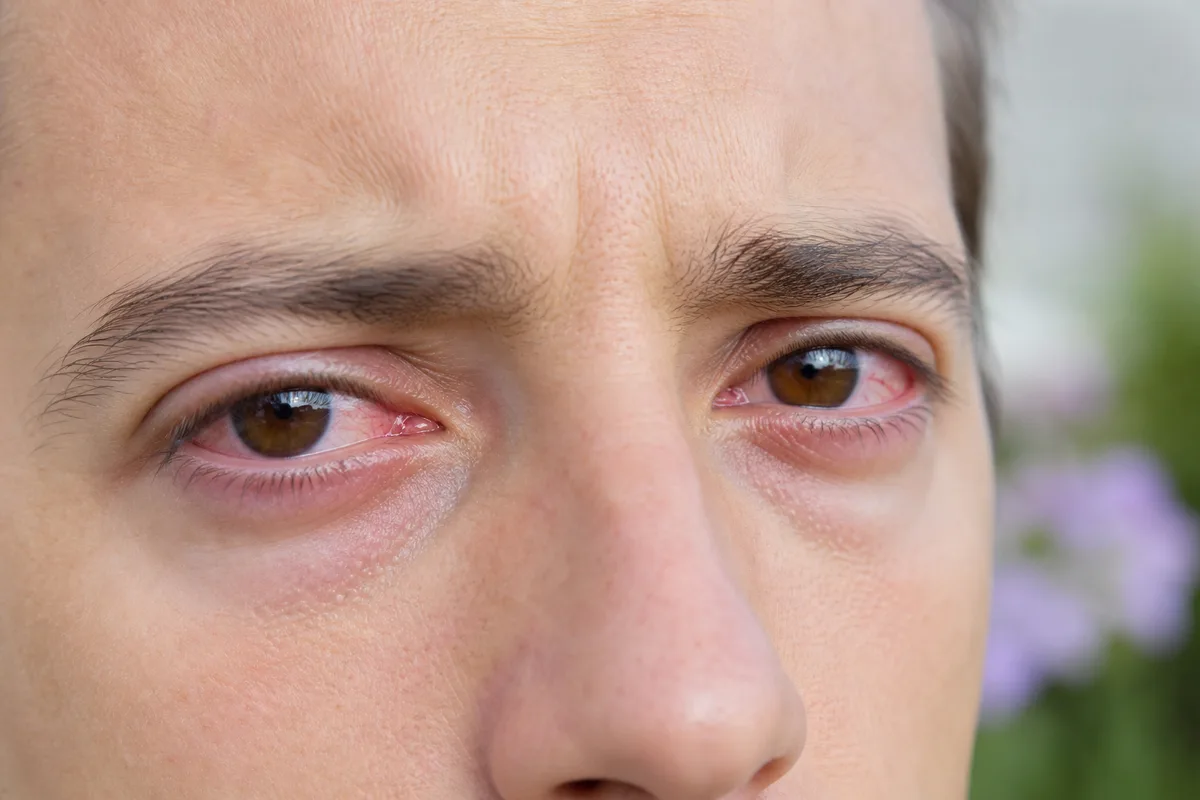
Itchy, red, watery eyes aren't just an annoyance—they're one of the most common reasons patients come to see us here in Washington Heights, especially during pollen season or after a new pet moves in. Eye allergies (medically known as allergic conjunctivitis) affect people of all ages, and while they're rarely serious, they can seriously disrupt your day. Understanding what triggers them and how to manage flare-ups can make a real difference in your comfort and quality of life.
What Are Eye Allergies?
Eye allergies happen when your eyes react to a substance they perceive as harmful, releasing histamine and other chemicals that cause inflammation. Unlike an eye infection, allergic conjunctivitis isn't contagious—it's your immune system responding to an environmental trigger rather than a virus or bacteria.
Common Triggers
- Seasonal Pollen: Tree, grass, and ragweed pollen drive spring and fall flare-ups.
- Dust and Dust Mites: Common indoors year-round, especially in bedding and upholstery.
- Pet Dander: Proteins in skin flakes, saliva, and fur from cats and dogs.
- Contact Lens-Related Irritation: Buildup on lenses or reactions to lens solutions can mimic or worsen allergy symptoms.
- Smoke, Perfume, and Air Pollution: Irritants that can aggravate sensitive eyes.
Recognizing the Symptoms
Eye allergy symptoms can range from mild to quite bothersome, and they often appear alongside other allergy signs like sneezing or a stuffy nose.
Typical Signs
- Itching: Often the most telltale symptom—usually in both eyes.
- Redness: Blood vessels in the white of the eye become visibly enlarged.
- Watering or Tearing: Excess tear production as the eye tries to flush out the irritant.
- Swelling: Puffy eyelids or a swollen, boggy appearance around the eyes.
- Burning or Stinging: A gritty, uncomfortable sensation, sometimes with light sensitivity.
Eye Allergies vs. Other Conditions
Because itching, redness, and watering can overlap with other eye conditions, it's easy to mistake allergies for something else—or vice versa. Part of a comprehensive eye exam is telling these conditions apart so you get the right treatment.
Allergies vs. Dry Eye
Dry eye tends to cause a burning or gritty feeling with fluctuating vision, and it's often worse later in the day or with screen use, whereas allergy symptoms are typically driven by itching and tend to flare after exposure to a specific trigger. The two conditions can also occur together, which is why a proper exam matters.
Allergies vs. Infection (Conjunctivitis)
Viral or bacterial conjunctivitis ("pink eye") often comes with thicker discharge, can affect just one eye, and may be contagious, while allergic conjunctivitis usually affects both eyes at once, produces watery (not thick) discharge, and is closely tied to itching. Our doctors can examine your eyes and ask about your history to determine which is which.
How We Evaluate Eye Allergies
During an eye exam for suspected allergies, Dr. Dvoretsky or Dr. Oboukova will typically:
- Review Your History: Ask about symptom timing, seasonal patterns, pets, and contact lens wear.
- Examine the Eye Surface: Look closely at the eyelids, conjunctiva, and cornea for signs of allergic reaction versus other causes.
- Rule Out Infection or Dry Eye: Distinguish allergic conjunctivitis from conditions that require different care.
- Discuss Management Options: Recommend a plan tailored to your triggers and lifestyle, including contact lens habits.
Managing Eye Allergies
Avoid Your Triggers When You Can
Simple changes—keeping windows closed on high-pollen days, washing your hands and face after being outdoors, using allergen-proof bedding covers, and washing hands after petting animals—can meaningfully reduce flare-ups.
Cool Compresses
A clean, cool compress placed gently over closed eyes can soothe itching and reduce swelling during a flare-up.
Artificial Tears
Preservative-free artificial tears help rinse allergens from the eye's surface and soothe irritation, and they're safe to use as often as needed.
Allergy Eye Drops
Over-the-counter and prescription antihistamine or combination eye drops can calm itching and redness. Our doctors can recommend an option suited to how often and how severely your allergies flare.
Contact Lens Habits
Allergens can cling to contact lenses and make symptoms worse. Sticking to a good lens hygiene routine, replacing lenses as recommended, and switching to glasses during a bad flare-up can give your eyes a break while they recover.
When to See an Eye Doctor
Occasional mild itchiness during allergy season is common, but you should schedule an exam if symptoms are persistent, affect your vision, involve significant pain or discharge, or don't improve with basic at-home care. An accurate diagnosis ensures you're treating the right condition instead of guessing.
Conclusion: Comfortable, Clear-Seeing Eyes Are Possible
Eye allergies are common, but you don't have to just live with the itching and redness. At Vistasite Eye Care, we take a compassionate, patient-first approach to figuring out what's really going on with your eyes and finding a management plan that fits your life—whether that means adjusting your contact lens routine, trying a new eye drop, or simply confirming it's allergies and not something else.
Ready to Book Your Appointment?
Contact Vistasite Eye Care at (929) 250-5170 to schedule an eye exam and get relief from your eye allergy symptoms.