
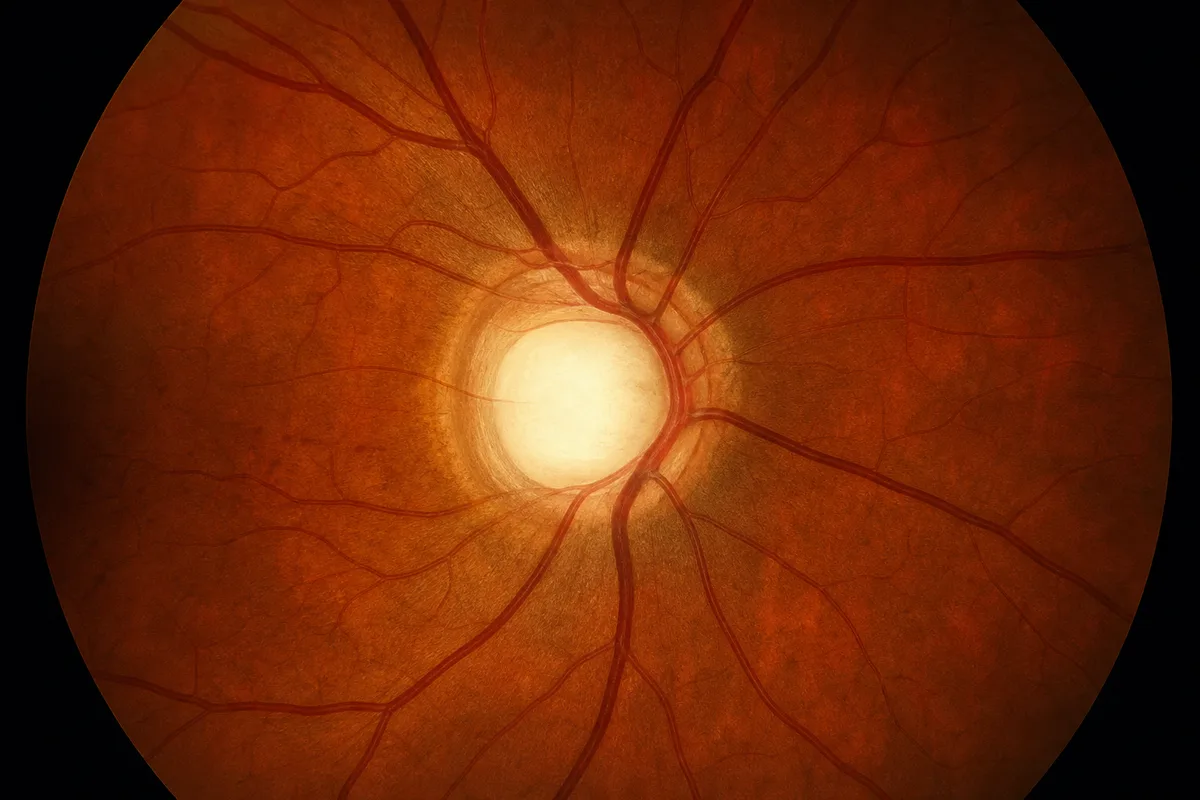
Introduction: The "Silent Thief of Sight"
Glaucoma is one of the leading causes of irreversible vision loss worldwide, yet most people who have it don't know it's there. That's because glaucoma typically causes no pain and no noticeable symptoms until significant, permanent damage has already occurred. The good news is that a comprehensive eye exam can catch glaucoma early, often years before you would ever notice a change in your vision — which is exactly why routine screening matters so much.
What Is Glaucoma?
Glaucoma refers to a group of eye conditions that damage the optic nerve, the bundle of nerve fibers that carries visual information from your eye to your brain. In most cases, this damage is associated with elevated pressure inside the eye (intraocular pressure), which builds up when the eye's fluid isn't draining properly. Over time, that pressure can injure the optic nerve, leading to gradual, permanent loss of peripheral vision and, if left unmanaged, central vision as well.
Common Types of Glaucoma
- Primary Open-Angle Glaucoma: The most common form, developing slowly over many years with no early warning signs.
- Angle-Closure Glaucoma: Occurs when the drainage angle of the eye becomes blocked, which can cause a sudden, painful spike in eye pressure and requires urgent care.
- Normal-Tension Glaucoma: Optic nerve damage that occurs even when eye pressure is within a normal range.
- Secondary Glaucoma: Related to another condition or injury, such as diabetes, inflammation, or long-term steroid use.
Why Early Detection Matters So Much
No Early Symptoms
The most common form of glaucoma progresses so gradually, and usually without any pain, that many patients don't notice a problem until they've already lost a meaningful portion of their peripheral vision. Vision lost to glaucoma cannot be restored, which is why regular screening — not waiting for symptoms — is the only reliable way to catch it in time.
Protecting Your Independence
Untreated glaucoma can eventually affect your ability to drive, read, and recognize faces. Identifying and managing it early gives our doctors the best chance of preserving the vision you have for the years ahead.
A Manageable Condition, With Monitoring
Glaucoma cannot currently be cured, but in most cases it can be effectively managed. With consistent monitoring and, when appropriate, treatment, many patients maintain good functional vision for life.
Who Is at Higher Risk?
Certain factors raise the likelihood of developing glaucoma, including:
- Age: Risk increases notably after age 40, and again after 60.
- Family History: Having a parent or sibling with glaucoma significantly increases your own risk.
- Diabetes: Diabetic patients face a higher risk of several eye conditions, including glaucoma.
- Ethnic Background: Certain populations, including those of African, Hispanic, and Asian descent, face elevated risk and may benefit from earlier or more frequent screening.
- Other Factors: High eye pressure, thin corneas, nearsightedness, previous eye injury, and long-term steroid use can all play a role.
Given Washington Heights' wonderfully diverse community, our team pays close attention to these individual risk factors when recommending how often each patient should be screened.
How Glaucoma Is Screened and Diagnosed
Glaucoma screening is a standard part of a comprehensive eye exam at Vistasite Eye Care. Dr. Vladimir Dvoretsky and Dr. Sabina Oboukova use several painless tests together, since no single test tells the whole story:
1. Tonometry (Eye Pressure Test)
A quick, painless measurement of the pressure inside your eye. Elevated pressure is one of the main risk indicators for glaucoma, though pressure alone doesn't confirm a diagnosis.
2. Optic Nerve Examination
Using specialized lenses and imaging, your doctor examines the appearance and health of the optic nerve at the back of your eye, looking for the subtle changes that signal glaucoma-related damage.
3. Visual Field Testing
This test maps your full field of vision, including peripheral (side) vision, to detect blind spots that can result from optic nerve damage — often before you'd ever notice them yourself.
4. Pachymetry and Additional Imaging
Measuring corneal thickness helps put your eye pressure readings in context, and additional imaging of the optic nerve can help track subtle changes over time.
How Glaucoma Is Managed
Because glaucoma is a chronic, ongoing condition, management is about consistent monitoring and timely intervention rather than a single fix. Depending on what your exam shows, your doctor may recommend:
- Regular Monitoring: Scheduled follow-up exams to track eye pressure, optic nerve health, and visual field over time.
- Prescription Eye Drops: Medicated drops are often the first line of treatment, helping to lower eye pressure and slow progression.
- Lifestyle and Health Coordination: Since conditions like diabetes can influence glaucoma risk, our doctors take a whole-health approach and coordinate with your other providers when it's helpful.
- Referral to a Specialist: If laser treatment or surgical intervention is ever needed, we'll refer you to a trusted ophthalmologist for that care, while continuing to support your ongoing eye health here.
How Often Should You Be Screened?
Because glaucoma often has no early symptoms, screening schedules are typically built around age and risk factors rather than how your eyes feel:
- Adults Under 40 With No Risk Factors: Every one to two years
- Adults Over 40, or With Risk Factors: Annually, or as recommended
- Patients With Diabetes or a Family History of Glaucoma: As recommended by your doctor, often more frequently
Dr. Dvoretsky and Dr. Oboukova will recommend a personalized screening schedule based on your age, health history, and exam findings.
Debunking Common Myths About Glaucoma
Myth 1: "I'd Know If I Had Glaucoma"
Most people with glaucoma have no symptoms in its early and even moderate stages. Vision loss typically begins at the edges of your peripheral vision, an area your brain is very good at compensating for, which is why routine testing is so important.
Myth 2: "Only Older Adults Need to Worry About It"
While risk does rise with age, glaucoma can affect younger adults too, especially those with a family history, diabetes, or other risk factors.
Myth 3: "If My Eye Pressure Is Normal, I'm Fine"
Some patients develop optic nerve damage even with normal eye pressure readings (normal-tension glaucoma), which is why a full exam looks at the optic nerve and visual field, not pressure alone.
Myth 4: "Lost Vision Can Be Restored"
Vision lost to glaucoma cannot currently be reversed. This is precisely why early detection and ongoing management are so central to protecting the sight you have.
Conclusion: Protect Your Vision With Regular Eye Exams
Glaucoma earns its nickname as the "silent thief of sight" because it takes vision quietly, without warning. A comprehensive eye exam is the most reliable way to catch it early, while there's still time to protect what you have. At Vistasite Eye Care, Dr. Vladimir Dvoretsky and Dr. Sabina Oboukova provide compassionate, preventive-focused eye care for patients and families throughout Washington Heights, with the ongoing monitoring that chronic conditions like glaucoma require.
Ready to Schedule Your Eye Exam?
Call Vistasite Eye Care at (929) 250-5170 to schedule your comprehensive eye exam and glaucoma screening today.